Are Robotic Lawn Mowers Worth the Investment? A Practical Review
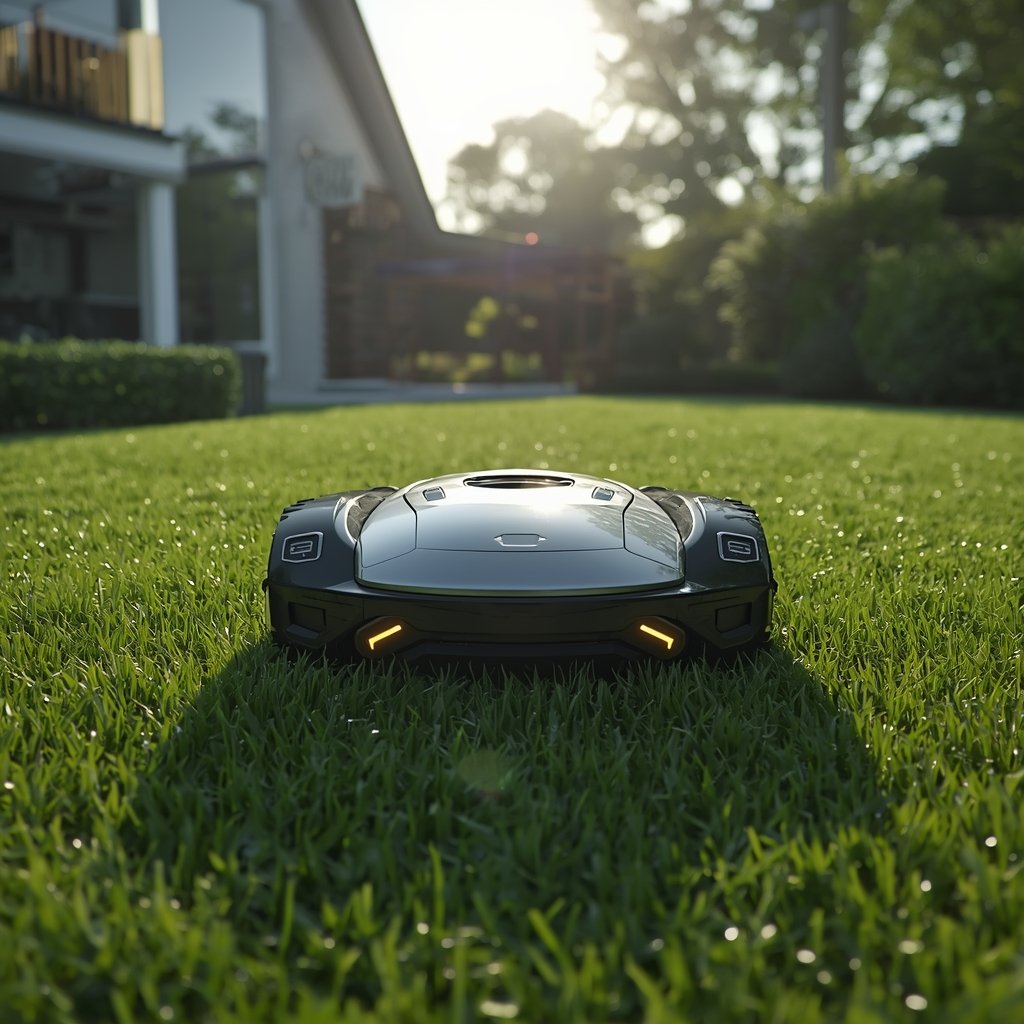
For decades, the standard weekend ritual for many homeowners has involved the drone of a gas-powered engine and hours of manual labor. However, by 2026, the landscape of “total garden gear” has shifted significantly toward automation. Robotic lawn mowers are no longer niche gadgets for early adopters; they have matured into sophisticated, data-driven assets that promise to return your weekends to you.
But with premium models often costing thousands of dollars, the question remains: Are they truly worth the investment? This practical review examines the current state of robotic mowing technology, its benefits, and its potential drawbacks for homeowners.
The Core Value Proposition: Time and Quality
The primary appeal of a robotic mower is the complete automation of one of the most repetitive household chores. Beyond just saving time, these machines fundamentally change how grass is maintained through a process known as continuous mulching or grasscycling.
-
Lawn Health: Unlike traditional mowers that take off large chunks of grass once a week, robots cut small increments daily. These fine clippings quickly break down, returning nutrients to the soil and acting as a natural fertilizer.
-
Aesthetic Consistency: Frequent cutting encourages lateral growth, leading to a denser, greener, and more weed-resistant lawn. Your grass stays perfectly trimmed 24/7 rather than going through a “boom-bust” cycle of growth and heavy cutting.
-
Operational Quiet: Averaging around 60 decibels—roughly the level of a normal conversation—robotic mowers can run at night or during the day without disturbing neighbors.
Navigating the 2026 Technology Landscape
In 2026, the most significant differentiator between models is the navigation software rather than just the physical hardware.
-
Wire-Free Systems: Premium models have largely moved away from buried boundary wires, which were notoriously difficult to install and repair.
-
RTK and Satellite: Systems like the Segway Navimow X390 use Real-Time Kinematic (RTK) technology to achieve centimeter-level accuracy without physical barriers.
-
AI Vision and LiDAR: For properties with dense tree cover or complex obstacles, models like the Ecovacs Goat A3000 utilize AI-powered cameras or LiDAR to navigate areas where GPS signals might fail.
-
App Integration: Remote management via smartphone apps allows you to set schedules, adjust cutting heights, and receive “stuck” alerts from anywhere.
The Financial Reality: Upfront Cost vs. Long-Term ROI
While the initial purchase price is high—typically ranging from $650 for entry-level units to over $5,000 for commercial-grade estate models—the long-term operational costs are remarkably low.
| Expense Category | Traditional Gas Mower | Robotic Mower |
| Upfront Price | Moderate ($300 – $1,500) | High ($1,500 – $3,000+) |
| Fuel/Energy | ~$100+ per year (Gas) | ~$20 – $30 per year (Electricity) |
| Maintenance | Oil changes, spark plugs, filters | Blade replacements (~$30/year) |
| Time Cost | ~40 hours per year | Minimal (App-based scheduling) |
Most homeowners find that the system pays for itself within 2 to 3 years when factoring in the elimination of fuel costs and the value of their reclaimed time.
Potential Drawbacks to Consider
Despite the advances, robotic mowers are not universally perfect:
-
Edge Work: While many models have improved, some still struggle with tight corners or complex edging, occasionally requiring minor manual touch-ups with a string trimmer.
-
Complex Terrain: Properties with multi-tiered gardens, steep slopes over 50%, or deep holes may challenge standard models.
-
Software Dependency: As navigation becomes more reliant on AI and cloud servers, the long-term reliability of the machine is often tied to the manufacturer’s ongoing software updates.
The Verdict: Should You Buy One?
A robotic mower is a worthwhile investment if you value your free time and want a consistently professional-looking lawn with zero emissions. It is particularly beneficial for those in residential areas in United States or other suburban environments where quiet operation is prioritized. If your yard is relatively clear of deep pits and you choose an established brand with strong software support, the move to autonomous lawn care is one of the most practical upgrades you can make for your home.