How to Choose the Right Electric Tiller for Your Raised Beds
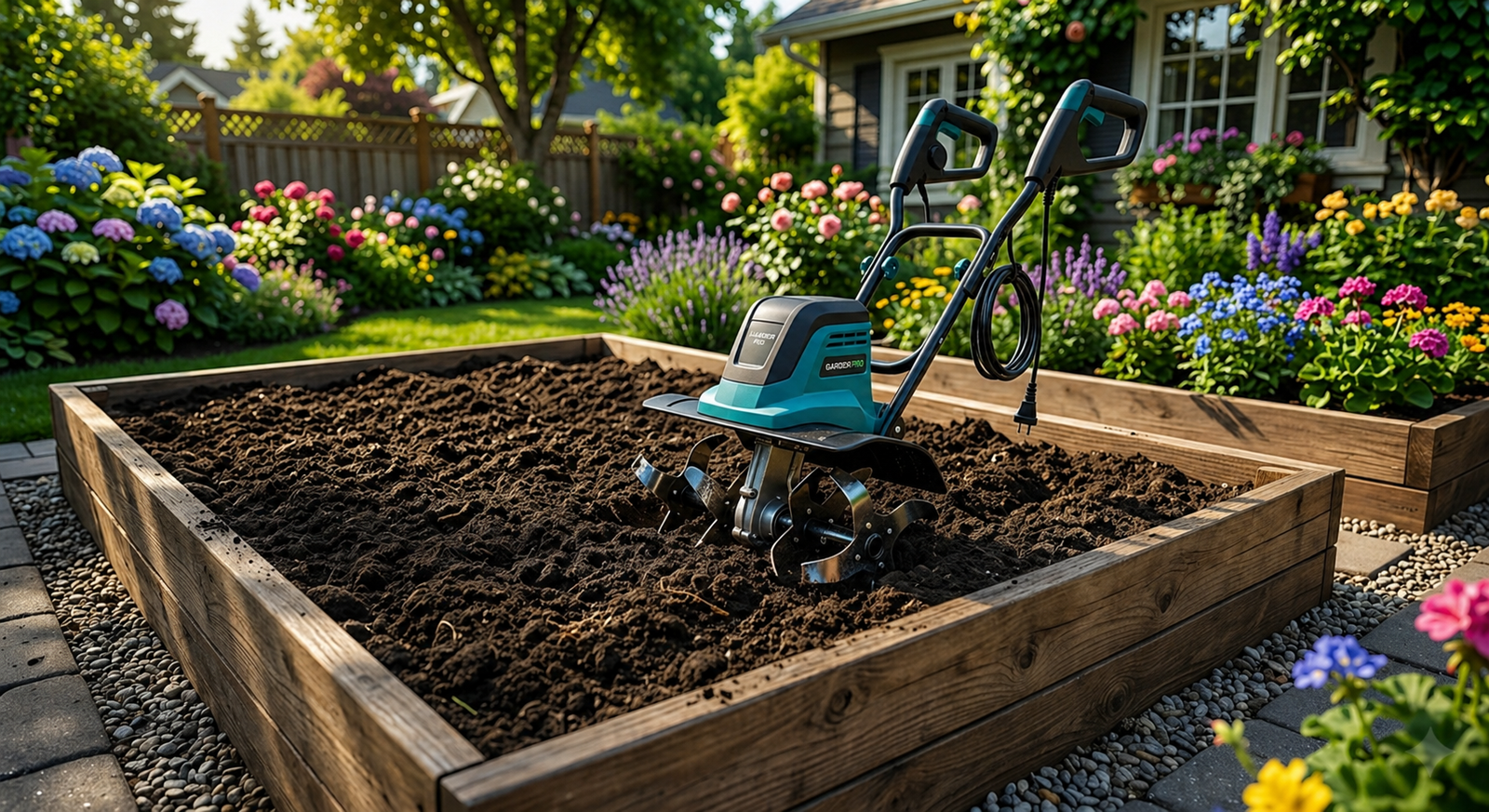
Raised bed gardening has revolutionized the way home cultivators manage their soil, offering better drainage, fewer weeds, and a more comfortable working height. However, even the best-drained raised bed can suffer from soil compaction over time. When it comes to revitalizing that soil, a full-sized gas tiller is often too cumbersome and aggressive. This is where the electric tiller—specifically designed for precision and maneuverability—becomes an essential part of your gardening gear.
Choosing the right electric tiller for a raised bed requires a different set of criteria than choosing one for a traditional row garden. Here is a professional guide to selecting the perfect electric companion for your elevated garden.
Why Electric is the Preferred Choice for Raised Beds
Raised beds are often located in suburban or urban environments where noise and emissions are significant concerns. Electric tillers offer several distinct advantages in these settings:
-
Maneuverability: Raised beds are confined spaces. Electric tillers are typically lighter and have a narrower “tilling width,” allowing you to work close to the edges of the bed without damaging the wooden or stone frames.
-
Low Maintenance: Unlike gas models, electric tillers don’t require fuel mixing or spark plug changes. For a gardener in a residential area like Jelutong, Penang, the “plug-and-play” nature is a major convenience.
-
Quiet Operation: You can prep your beds early in the morning without disturbing the neighborhood, a luxury not afforded by internal combustion engines.
Key Features to Consider
1. Corded vs. Cordless (Battery-Powered)
The first decision is how you will power the tool.
-
Corded Tillers: These provide consistent, unlimited power. They are generally more affordable and slightly lighter since they lack a heavy battery pack. However, you are tethered to an outlet, which can be a tripping hazard in the narrow paths between raised beds.
-
Cordless (Battery) Tillers: These offer total freedom of movement. Modern 40V or 80V lithium-ion systems provide plenty of torque for a standard 4’x8′ bed. If you already own other battery-powered gear, staying within that same battery ecosystem is highly efficient.
2. Tilling Width and Depth
For raised beds, bigger is not better.
-
Width: Look for a tiller with a width of 6 to 10 inches. A wide tiller is difficult to turn in a raised bed and may strike the side walls.
-
Depth: Most raised beds are 6 to 12 inches deep. Ensure your tiller can reach a depth of at least 8 inches to properly incorporate compost and organic matter into the root zone.
3. Tine Design and Adjustability
The “scaffolding” of your soil depends on how the tines interact with it. Look for tillers with removable tines. This allows you to narrow the tilling width even further for specialized tasks, such as cultivating between established rows of vegetables. Forward-rotating tines are usually sufficient for the pre-loosened soil found in most raised beds.
4. Weight and Ergonomics
Since you will likely be lifting the tiller in and out of elevated beds, weight is a critical safety factor. A tiller weighing between 15 and 25 pounds is usually the “sweet spot” for raised bed gardening—heavy enough to bite into the soil, but light enough to manage without straining your back.
The “No-Till” Hybrid Approach
It is worth noting that many modern gardeners use electric tillers for “top-dressing” rather than deep tilling. Instead of flipping the soil and disrupting the microbiome, you can use a small electric tiller to gently mix compost and fertilizers into the top 2 inches of soil. This maintains the soil’s internal structure while ensuring nutrients are available for new seedlings.
Maintenance Tips for Longevity
To keep your electric tiller in professional condition:
-
Clean After Use: Soil and moisture are the enemies of electric motors. Always wipe down the tines and housing.
-
Check for Tine Wraps: Long weeds or roots can wrap around the axle, putting strain on the motor. Remove these promptly.
-
Battery Care: If using a cordless model, never store the battery in a completely discharged state, especially during the off-season.
Conclusion
The right electric tiller transforms the back-breaking chore of soil preparation into a quick, efficient task. By prioritizing maneuverability, appropriate tilling depth, and weight, you ensure that your raised beds remain a productive and healthy environment for years to come. With the right gear, you aren’t just digging; you’re building the foundation for your best harvest yet.