The Best Soil Scaffolding Tools for Aerating Small Garden Beds
Healthy plants begin with healthy soil, and the secret to vibrant soil is structure. In the world of horticulture, we often refer to the “scaffolding” of the soil—the physical arrangement of soil particles and the pore spaces between them. Over time, particularly in small garden beds and raised planters, this structure can collapse due to gravity, foot traffic, or heavy watering, leading to soil compaction.
When soil is compacted, roots cannot breathe, and water cannot penetrate. Aeration is the mechanical process of restoring this scaffolding, and for small-scale gardeners, choosing the right tools is essential for maintaining a thriving ecosystem without damaging delicate root systems. This guide explores the best soil scaffolding tools specifically designed for aerating small garden beds.
Why Soil Aeration Matters
Before selecting a tool, it is important to understand the biological necessity of aeration. Soil is not a solid mass; ideally, it is composed of roughly 50% solids and 50% pore space, which is shared by air and water. Aeration ensures that oxygen can reach the rhizosphere—the area around the roots—where beneficial aerobic bacteria and fungi live. These microbes break down organic matter into nutrients that plants can absorb. Without proper scaffolding, the soil becomes anaerobic, leading to root rot and nutrient lockout.
1. The Hand Cultivator: Precision Scaffolding
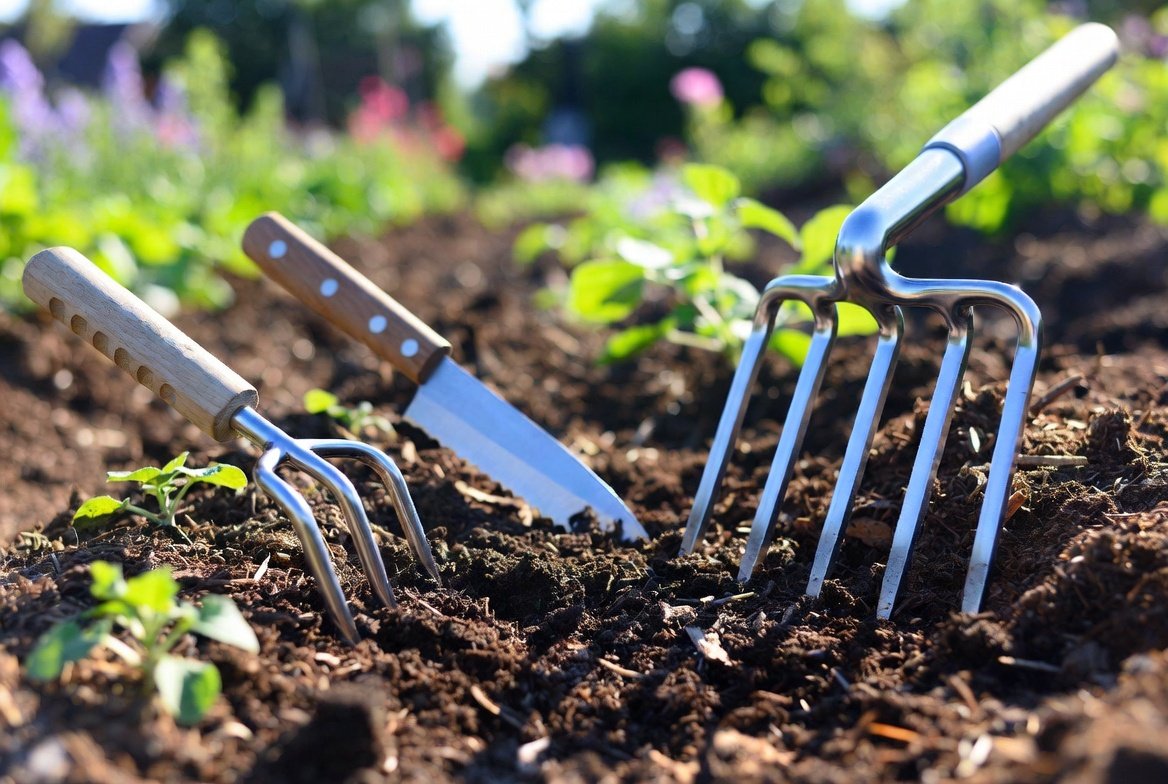
The hand cultivator, often called a “claw,” is the most fundamental tool for small-bed aeration. Featuring three or four sturdy tines, this tool is designed to break up the top 2 to 3 inches of soil crust.
For small garden beds, a hand cultivator is superior to larger tools because it allows for surgical precision. You can navigate between closely spaced perennials or vegetable crops without disturbing their roots. Using a cultivator regularly prevents “capping”—where the soil surface dries into a hard, impermeable layer—ensuring that every drop of water reaches the root zone.
2. The Broadfork (Miniature or Junior Versions)
While traditional broadforks are massive tools used for market gardening, many manufacturers now produce “mini” or “junior” versions perfect for 3-foot wide garden beds. The broadfork is the ultimate scaffolding tool because it aerates the soil without “turning” it.
Traditional tilling flips the soil, which can destroy the delicate fungal networks (mycorrhizae) that help plants absorb water. A broadfork, however, uses long tines that are stepped into the ground and rocked back and forth. This creates deep vertical channels—scaffolding for air and water—while keeping the soil layers intact. This “no-dig” approach is increasingly favored by soil scientists for maintaining long-term fertility.
3. The Hand-Held Aerator (Core vs. Spike)
In small beds that have become severely compacted, a hand-held core aerator is an invaluable asset. There is a critical distinction between spike aerators and core aerators:
-
Spike Aerators: These push a solid tine into the ground. While they create a hole, they can actually increase compaction around the sides of that hole.
-
Core Aerators: These use hollow tines to remove a “plug” of soil.
For small beds, a manual core aerator with two tines is ideal. By removing small cylinders of earth, you create physical space for the surrounding soil to expand, naturally loosening the bed’s scaffolding. These holes can then be backfilled with compost or vermiculite to further improve drainage.
4. The Soil Auger: Deep Aeration for Shrubs
If you are managing small beds that contain larger shrubs or young trees, a manual or drill-powered soil auger is a game-changer. These spiral-shaped bits are designed to bore deep, narrow holes into the earth.
Augers are particularly effective for “vertical mulching.” By boring holes 12 inches deep around the drip line of a plant, you create deep-reaching scaffolds for oxygen. Filling these holes with a mixture of biochar and organic fertilizer provides a direct route for nutrients to reach deep roots that would otherwise be suffocated by surface-level compaction.
5. The Cobrahead Weeder and Cultivator
The Cobrahead is a unique, single-tine tool that mimics the action of a “steel finger.” Its curved shape makes it an exceptional tool for aerating the soil in extremely tight spaces, such as between stones in a rock garden or in high-density herb planters. Because it has only one point of contact, it allows the gardener to feel the soil resistance and navigate around obstacles, making it a highly intuitive tool for maintaining soil scaffolding in precision environments.
Best Practices for Aerating Small Beds
To get the most out of your tools, timing is everything.
-
Moisture Check: Never aerate soil that is bone-dry (it will be too hard and tines may bend) or soaking wet (this can actually cause more compaction). The soil should be “moist but crumbly”—the consistency of a wrung-out sponge.
-
Top-Dressing: Always follow aeration with a top-dressing of organic matter. As you create those new “scaffold” spaces with your tools, sifted compost will fall into the channels, providing long-term structural support and food for soil microbes.
-
Frequency: For most small beds, a deep aeration once a year (spring or fall) and light surface cultivation once a month is sufficient.
Conclusion
Investing in the right soil scaffolding tools is an investment in the health of your garden. By moving away from heavy tilling and toward precise, thoughtful aeration with tools like the broadfork, hand cultivator, and core aerator, you preserve the complex biological life of your soil. Whether you are growing prize-winning roses or organic kale, maintaining the physical structure of your small garden beds ensures that your plants have the oxygen, water, and nutrients they need to reach their full potential.