Hand Cultivators vs. Hoes: Choosing the Right Tool for Weed Control
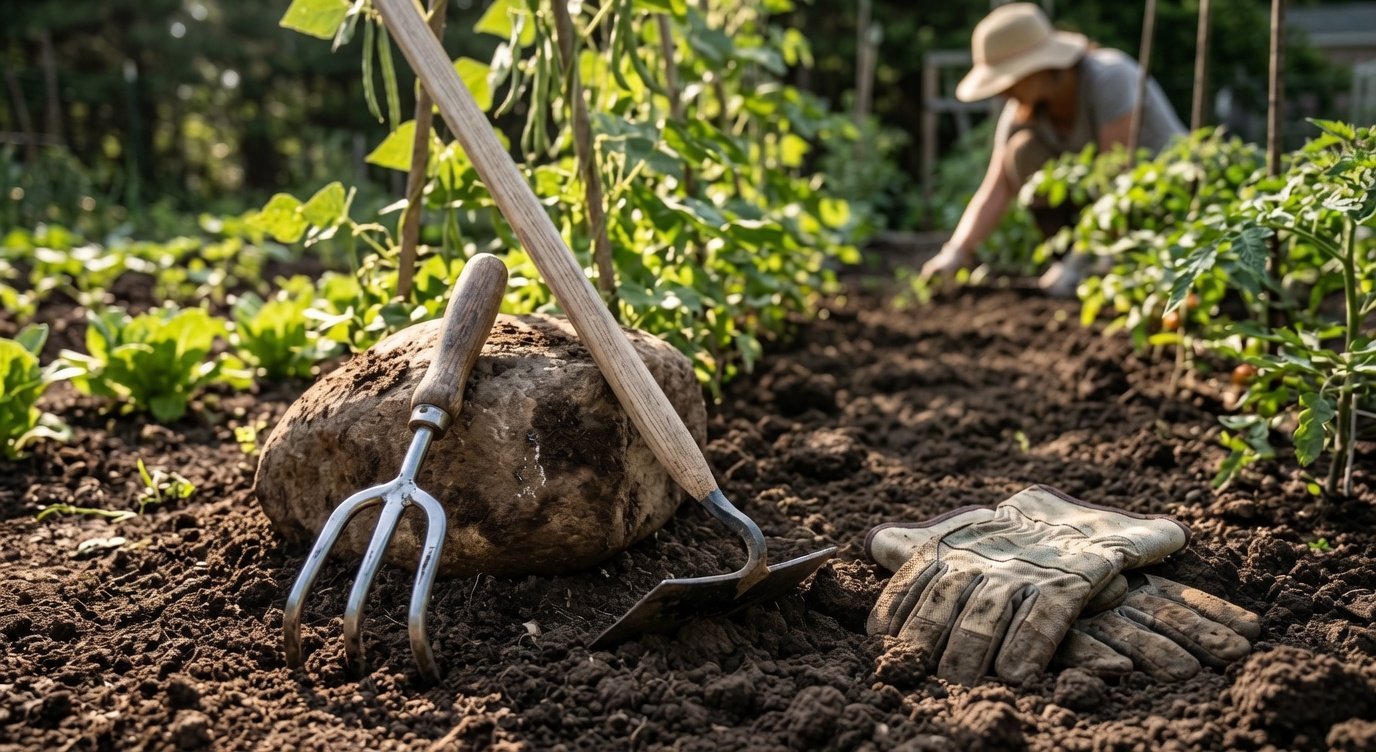
For any gardener, the battle against weeds is a constant test of patience and strategy. While chemical interventions exist, the most environmentally sustainable and effective method remains mechanical removal. However, the efficacy of your efforts depends heavily on your choice of equipment. In the debate of Hand Cultivators vs. Hoes, the “right” tool isn’t universal; it is determined by your soil type, the maturity of your plants, and the specific species of weeds you are targeting.
Understanding the mechanical differences between these two stalwarts of the tool shed will help you choose the most efficient weapon for your unique garden landscape.
The Hand Cultivator: The Surgeon’s Scalpel
The hand cultivator—often referred to as a “claw”—typically features three to five rigid steel tines curved into a rake-like shape. Unlike long-handled tools, the cultivator requires the gardener to be at ground level, offering a high degree of tactile feedback and precision.
When to Reach for the Cultivator
Hand cultivators are designed for surface-level disruption and precision weeding. They are the superior choice when:
-
Working in Tight Spaces: If you have a high-density “square foot” garden or a container arrangement, a cultivator allows you to scratch the soil surface around delicate stems without the risk of accidental decapitation.
-
Managing Young Seedlings: When weeds are in the “thread stage” (just germinating), a light pass with a cultivator uproots them and leaves them on the surface to wither in the sun.
-
Breaking Soil Crust: After heavy rain, soil can form a hard “cap” that prevents air and water from reaching roots. The tines of a cultivator are perfect for “scaffolding” the soil—breaking that crust to restore aeration.
The Garden Hoe: The Tactical Broadsword
The garden hoe is a long-handled tool designed for upright use, leveraging the power of the arms and back. While there are many variations—including the Dutch hoe, the Draw hoe, and the Stirrup (or Action) hoe—they all share a common goal: severing weeds at or just below the soil surface.
When the Hoe is the Better Choice
Hoes are the preferred tool for volume and ergonomics. You should choose a hoe when:
-
Scale is a Factor: If you are managing long rows of vegetables or a large flower bed, a hoe allows you to clear square footage significantly faster than a hand tool. Research indicates that long-handled tools like the stirrup hoe offer much higher working rates for weed management.
-
Preventing Back Strain: Upright weeding is far less taxing on the lower back and knees. For gardeners with mobility concerns, the hoe is a mechanical necessity.
-
Targeting Established Weeds: While a cultivator struggles with thick-stemmed weeds, the sharp blade of a hoe (especially a Dutch or Draw hoe) acts as a guillotine, slicing through tough vegetation at the soil line.
Direct Comparison: A Tactical Breakdown
| Feature | Hand Cultivator | Garden Hoe |
| Primary Action | Uprooting and Aerating | Slicing and Severing |
| Best For | Small beds, containers, precision | Large rows, open paths, speed |
| Soil Impact | Deep disruption (up to 3 inches) | Surface-level slicing |
| Physical Demand | High (requires kneeling/crawling) | Moderate (up to 80% less bending) |
| Weed Stage | Best for germinating/young weeds | Effective for mature weeds |
The “No-Dig” Perspective
In modern organic gardening, the choice between these tools often comes down to soil health. A hand cultivator disrupts the top layer of soil, which can inadvertently bring buried weed seeds to the surface where they can germinate.
In contrast, a Stirrup Hoe (scuffle hoe) is often favored by “no-dig” practitioners. Its oscillating blade moves back and forth just beneath the surface. This severs the weed from its roots without flipping the soil layers, preserving the delicate microbiome and preventing the “seed bank” in the lower soil from being exposed to light.
Maintenance for Peak Performance
Regardless of which tool you choose, its effectiveness is tied to its condition.
-
Sharpness: A dull hoe is a blunt instrument that crushes weeds rather than cutting them. Use a metal file to maintain a 20 to 25 degree bevel on your hoe’s blade.
-
Cleanliness: Soil trapped in the tines of a cultivator or on the blade of a hoe increases friction, making your work harder. Wash tools after use and dry them thoroughly to prevent rust.
-
Lubrication: A light coat of oil prevents oxidation, ensuring your tools are ready for the next season.
Conclusion: Why You Likely Need Both
In a professional gardening kit, the hand cultivator and the hoe are not competitors; they are teammates. Use the hoe to manage the vast “no-man’s-land” between your rows and the open spaces of your beds to keep the bulk of the weeds at bay with minimal effort. Then, switch to the hand cultivator for the “close-quarters combat” required around the base of your prize plants.
By matching the tool to the task, you protect your physical health, preserve your soil structure, and—most importantly—ensure that your plants, rather than the weeds, win the battle for nutrients and light.