Ergonomic Trowels vs. Traditional Designs: Which Is Better for Your Wrists?
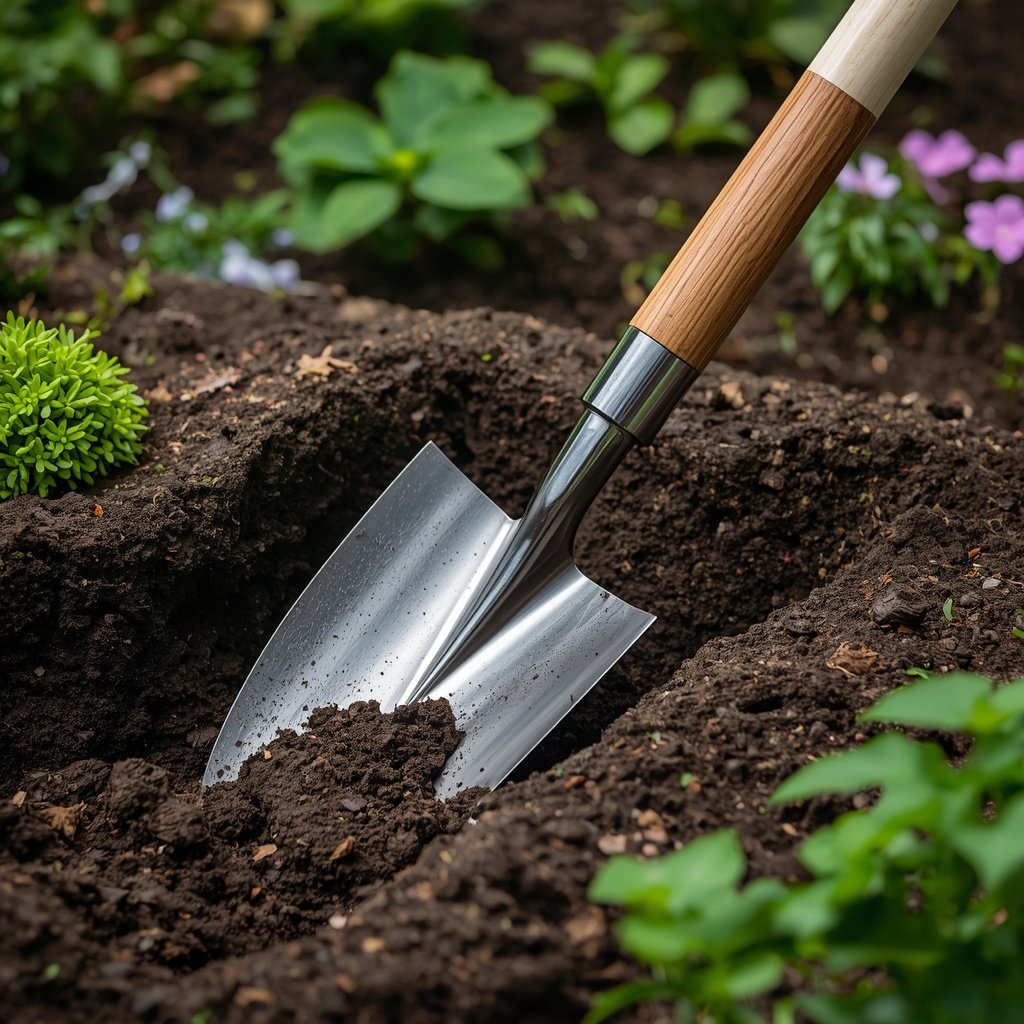
Gardening is often celebrated as a tranquil hobby, a rhythmic dance between nature and the cultivator. However, for many enthusiasts, the physical reality of the craft—specifically the repetitive digging, planting, and weeding—can lead to significant discomfort. Hand and wrist strain are the most common complaints among home gardeners, often stemming from the tools we use. As the market sees a surge in “ergonomic” garden gear, a pivotal question arises for the health-conscious gardener: Are ergonomic trowels truly superior to traditional designs for wrist health, or are they simply a marketing trend?
To understand which is better, we must examine the biomechanics of gardening and how tool geometry influences our physical longevity.
The Anatomy of the Traditional Trowel
The traditional garden trowel is a design that has remained largely unchanged for centuries. It typically features a straight wooden or plastic handle aligned directly with a metal blade. While iconic, this linear design forces the wrist into a position known as ulnar deviation—a slight outward bend of the wrist toward the pinky finger—whenever the blade is pushed into the soil.
When you use a traditional trowel for extended periods, the repetitive force combined with this awkward angle can compress the median nerve and strain the tendons. This is often the precursor to conditions like Carpal Tunnel Syndrome or tendonitis. For gardeners with robust grip strength and no history of joint issues, the traditional trowel offers excellent feedback and precision. However, for those digging in heavy clay or managing a large-scale planting project, the lack of mechanical advantage can be punishing.
The Rise of Ergonomic Innovation
Ergonomic trowels are engineered specifically to address these biomechanical flaws. The primary goal of ergonomic design is to keep the wrist in a neutral position—the same “handshake” position your hand takes when it is at rest.
Most ergonomic designs achieve this through one of two methods:
-
The Bent Handle: The handle is angled upward or shaped like a “pistol grip,” allowing the gardener to apply downward pressure using the strength of the forearm and shoulder rather than the delicate joints of the wrist.
-
The Enlarged Grip: These tools feature contoured, non-slip handles that are thicker than traditional grips. This reduces “grip force,” meaning the muscles don’t have to work as hard to maintain a hold on the tool, which is a major benefit for those with arthritis or weakened grip strength.
Biomechanical Comparison: The Verdict for Your Wrists
Recent ergonomic studies highlight that tool weight and handle diameter are the two biggest factors in muscle fatigue. Traditional trowels often have thin handles that require a “pinch grip,” which exerts high pressure on the thumb and index finger. In contrast, ergonomic trowels promote a “power grip,” distributing the load across the entire palm.
When it’s “Ergonomic vs. Traditional,” the ergonomic version wins on force distribution. By aligning the tool’s center of gravity with the natural movement of the arm, ergonomic trowels allow you to utilize the larger muscle groups of the upper body. Instead of “flicking” the wrist to move soil, you are “pushing” with the arm. This shift is subtle but transformative for preventing long-term repetitive strain injuries (RSI).
When Tradition Still Holds Value
Despite the health benefits of ergonomic tools, they are not a universal replacement. Traditional trowels excel in precision and versatility. If you are working in tight spaces, such as a crowded container garden or a delicate rockery, the slim profile of a traditional trowel allows for maneuvers that a bulky ergonomic handle might obstruct. Furthermore, high-quality traditional trowels made of forged steel are often more durable than their ergonomic counterparts, which sometimes utilize more plastic components in their handle construction.
Choosing the Right Tool for Your Garden
If you are deciding which direction to take for your toolkit, consider the following checklist to ensure your choice supports your wrist health:
-
Check the Neutral Alignment: When holding the tool in a digging position, does your wrist form a straight line with your forearm? If it bends sharply, the tool is likely to cause strain.
-
Material Matters: Look for “soft-touch” thermal rubber grips. These provide better friction than smooth wood or hard plastic, preventing the tool from twisting in your hand—a common cause of wrist “tweaking.”
-
Weight Balance: A tool that is too heavy will strain the wrist during the “lift” phase of digging. Conversely, a tool that is too light may require more force to penetrate the soil. Aim for a balanced, mid-weight stainless steel blade.
Conclusion: Prioritizing Longevity
For the modern gardener, the choice between ergonomic and traditional designs should be viewed as an investment in your “gardening lifespan.” While a traditional trowel is a beautiful, classic implement, the ergonomic trowel is objectively better for your wrists. It mitigates the risk of inflammation, reduces muscle fatigue, and allows those with existing joint conditions to continue enjoying the soil.
If you find your hands aching after an hour in the flower beds, it is time to transition. By switching to a tool that respects your body’s natural mechanics, you ensure that your time in the garden remains a source of joy rather than a source of pain. After all, the best garden tool is the one that allows you to keep gardening for years to come.