Smart Sprinkler Controllers: How to Save Water Using Your Smartphone
Smart Sprinkler Controllers: How to Save Water Using Your Smartphone
Maintaining a lush, green lawn has long been a point of pride for homeowners, but it often comes with a hidden environmental and financial cost. In the United States alone, residential outdoor water use reaches nearly 9 billion gallons per day, with experts estimating that as much as 50% of this is wasted due to overwatering and inefficient systems.
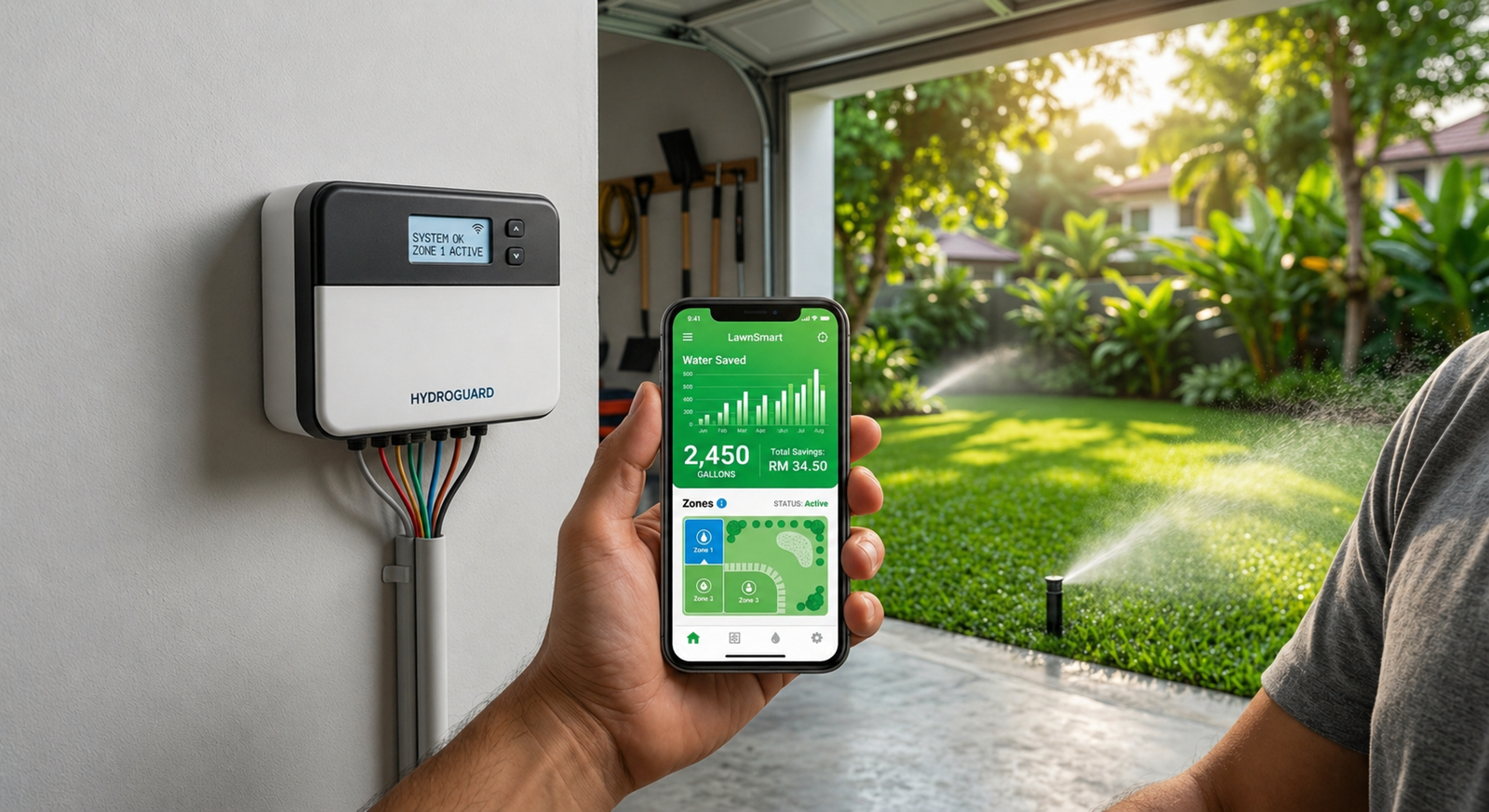
The solution to this “silent leak” isn’t just watering less; it’s watering smarter. Enter the smart sprinkler controller. By replacing a standard clock timer with a smart, smartphone-integrated system, you can transform your irrigation from a rigid schedule into a data-driven, water-saving powerhouse.
The Evolution of Irrigation: From Timers to Intelligence
Traditional sprinkler systems operate on simple clock timers. They turn on at a set time regardless of whether it’s currently raining or if the soil is already saturated. Smart controllers act like a thermostat for your yard. They use local weather data, soil types, and plant needs to tailor watering schedules to the actual conditions of your landscape.
The most significant benefit is the remote accessibility. Via a smartphone app, homeowners can monitor and adjust their irrigation from anywhere in the world. Whether you’re at work or on vacation, you have the power to skip a cycle if you see a surprise rainstorm on the horizon.
Key Features That Drive Efficiency
Modern smart controllers, such as those from Rachio, Hunter, and Rain Bird, offer several advanced features designed to maximize conservation:
-
Weather-Based Adjustments: Using real-time meteorological data—including temperature, humidity, and wind speed—the controller automatically skips cycles during rain or high-wind events.
-
Zone Customization: You can program specific details for each “zone” of your yard. For instance, a shaded flower bed requires different watering than a sun-drenched front lawn. Smart apps allow you to input soil type, plant variety, and even the slope of the land to prevent runoff.
-
Soil Moisture Sensing: Many high-end models integrate with physical soil sensors to measure actual moisture levels at the root zone, ensuring the system only activates when the ground is truly dry.
-
Flow Monitoring & Leak Alerts: Professional-grade models can detect broken lines or malfunctioning valves, sending an instant notification to your smartphone to prevent catastrophic water loss.
The Real Impact: Gallons and Gold
The environmental benefits are clear, but the financial incentives are equally compelling. Research indicates that smart controllers can improve irrigation efficiency by up to 30%.
| Benefit Category | Estimated Impact |
| Annual Water Savings | ~8,800 gallons per average home |
| Reduction in Outdoor Use | 20% to 50% |
| Economic Value | Savings of hundreds of dollars annually |
Furthermore, many local water districts offer rebates for EPA WaterSense labeled controllers. These certifications ensure the device has been tested for its ability to meet plant needs without excess watering.
Choosing the Right Controller for Your Yard
Selecting the best unit depends on your specific needs:
-
For the DIY Enthusiast: The Rachio 3 is widely praised for its intuitive app and easy setup.
-
For Complex Landscapes: The Hunter Hydrawise offers robust professional support and advanced flow monitoring.
-
For Budget Upgrades: If you already have a Rain Bird system, the LNK2 Wi-Fi Module is a cost-effective way to add smart capabilities to your existing hardware.
Conclusion
Smart sprinkler controllers represent a rare “win-win” in home technology. They protect your investment in landscaping by promoting deeper root growth and healthier plants while simultaneously slashing your utility bills and conserving a precious natural resource. In an era of increasing water scarcity, the ability to manage your garden with surgical precision—right from your smartphone—is no longer a luxury; it’s a standard for the modern, sustainable home.