Heavy-Duty Watering Wands: Reaching Hanging Baskets with Ease
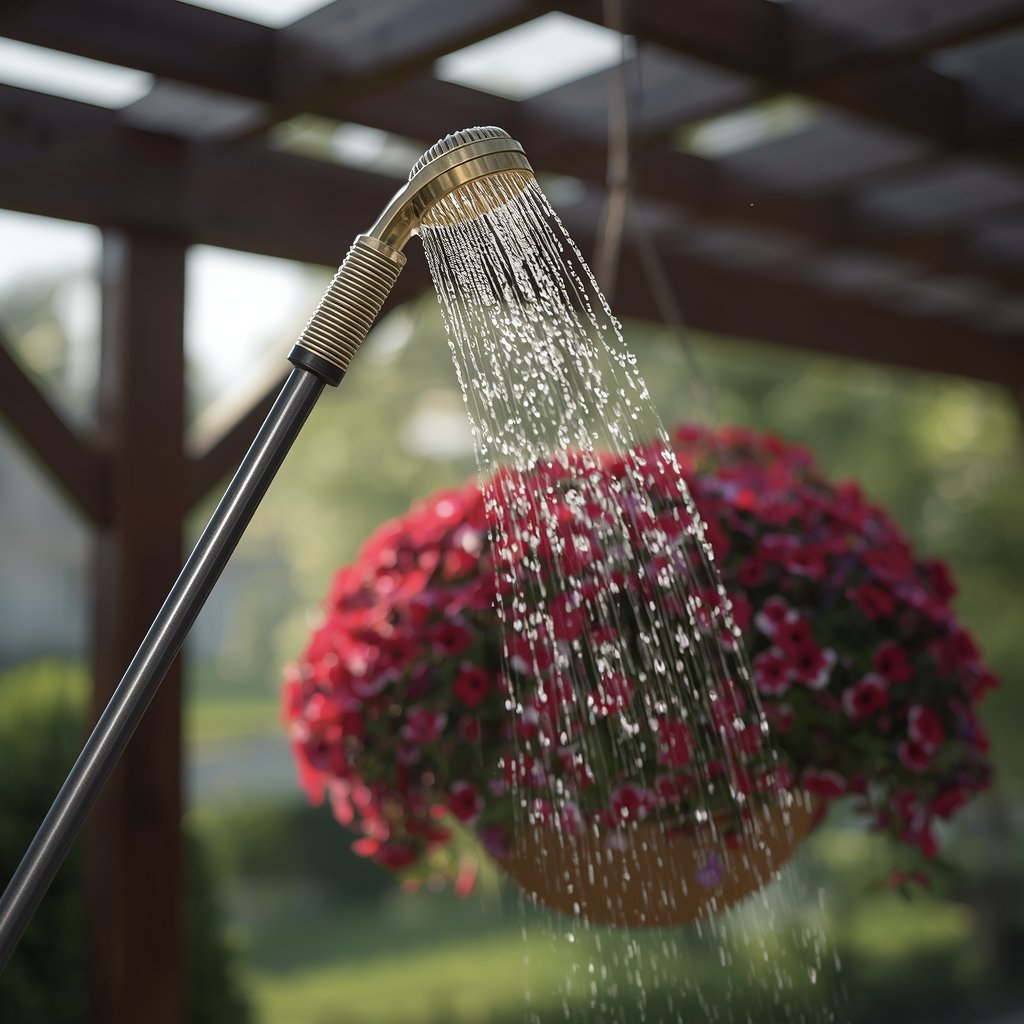
High-reaching floral displays and lush hanging baskets are the crown jewels of many home gardens, adding vertical interest and vibrant color to porches, pergolas, and balconies. However, maintaining these elevated plants often presents a physical challenge. Traditional spray nozzles lack the reach, frequently resulting in water running down the gardener’s sleeve or failing to saturate the root zone properly.
For those looking to streamline their “total garden gear,” a heavy-duty watering wand is the indispensable solution. By extending your reach and providing a gentle, rain-like flow, these tools ensure that even the highest baskets receive the hydration they need without the hassle of a ladder.
The Anatomy of a High-Performance Watering Wand
A professional-grade watering wand is more than just a pipe attached to a hose; it is a precision tool designed for ergonomics and plant health. When selecting a wand for your collection, several key features distinguish a heavy-duty model from a standard retail version.
1. Optimal Length and Reach
Most standard wands range from 16 to 30 inches, but for high-hanging baskets, a 36-inch or telescoping wand is ideal. This extra length allows you to stand comfortably on the ground while placing the water source directly over the top of the basket, ensuring the water reaches the center of the plant rather than just the edges.
2. Gentle Flow “Rain” Heads
Hanging baskets often contain delicate flowers like petunias or fuchsias that can be damaged by high-pressure streams. Heavy-duty wands feature “breaker” heads with hundreds of tiny holes. This design breaks the water pressure into a soft, high-volume flow that mimics natural rainfall, allowing the water to soak into the potting mix without displacing soil or bruising petals.
3. Ergonomic Shut-Off Valves
Holding a wand overhead for extended periods can be tiring. Look for models with one-touch thumb controls or lever-style shut-offs rather than a trigger that must be squeezed constantly. This reduces hand fatigue and allows for easy one-handed operation.
Why “Heavy-Duty” Matters
While lightweight plastic wands are inexpensive, they are prone to leaking at the connections and cracking under UV exposure—especially in sun-drenched areas like Jelutong, Penang. A heavy-duty wand typically utilizes:
-
Anodized Aluminum Shafts: These are lightweight enough to hold overhead but strong enough to resist bending and corrosion.
-
Brass or Stainless Steel Fittings: Metal connections ensure a leak-proof seal with your garden hose, preventing the common “sleeve-soaking” drip.
-
Rubberized Grips: A textured, non-slip handle is essential for maintaining control when your hands or the tool become wet.
Professional Tips for Watering Hanging Baskets
Even with the best tools, technique is key to maintaining a healthy vertical garden.
-
The “Weight” Test: Before watering, use your wand to gently lift or push up on the bottom of the basket. If it feels light, it’s time to water. If it’s heavy, the soil is likely still moist.
-
Water Until the Drip: Because hanging baskets are exposed to wind on all sides, they dry out faster than ground plants. Use your wand to apply water until you see it begin to drain from the bottom of the pot. This ensures the entire root ball is saturated.
-
Morning Rituals: Water early in the day. This allows the foliage to dry before evening, which is a critical step in preventing fungal diseases in humid climates.
Integrating the Wand into Your Routine
A heavy-duty watering wand is a versatile addition to your gardening arsenal. Beyond hanging baskets, it is perfect for reaching the back of deep garden beds without stepping on the soil or for cleaning debris out of rain gutters. For those invested in high-quality tools, it represents a bridge between manual labor and automated efficiency.
By choosing a tool built for durability and ease of use, you transform a potentially frustrating chore into a relaxing part of your gardening routine. Your plants will reward you with more consistent growth, and your joints will thank you for the reduced strain.