Portable Greenhouses: Gear Essentials for Starting Seeds Indoors
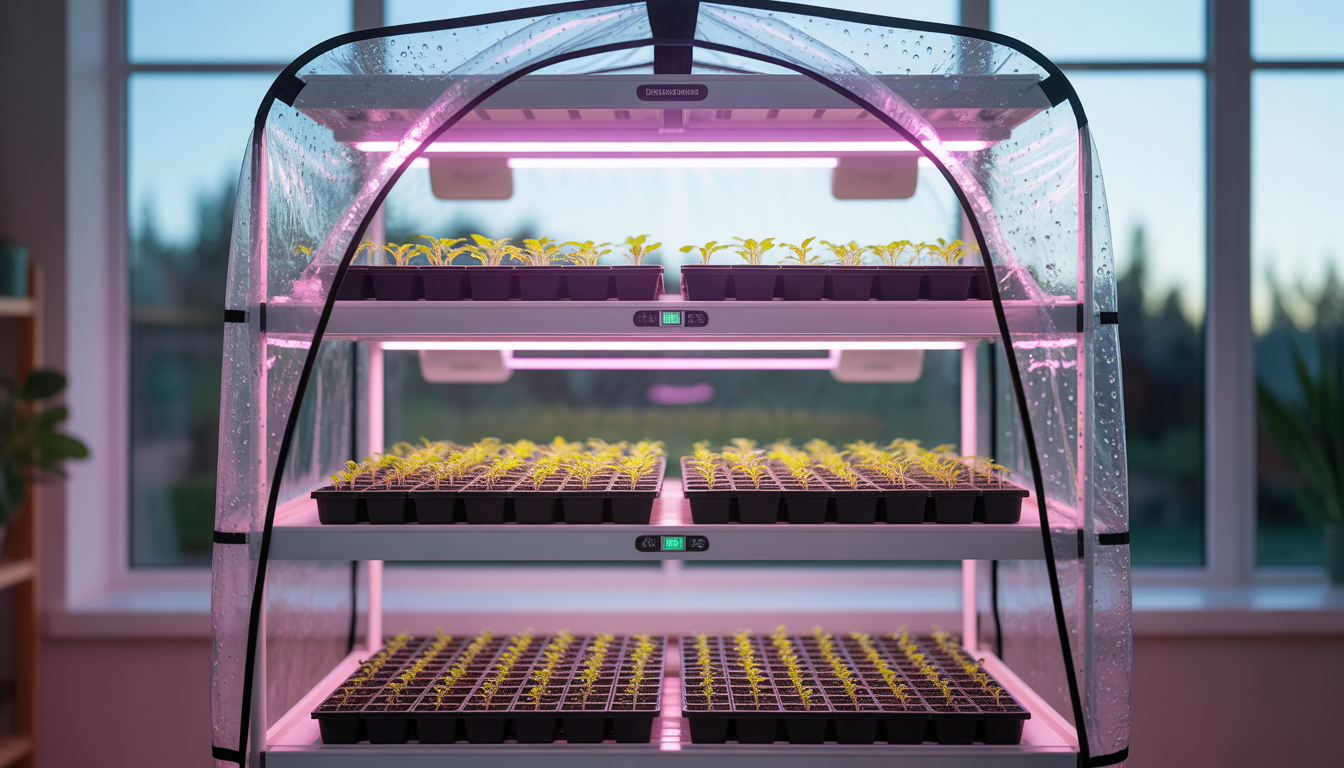
For the dedicated gardener, the growing season doesn’t begin with the first thaw of spring; it begins weeks—or even months—earlier in the controlled environment of an indoor nursery. Starting seeds indoors provides a critical head start for slow-growing vegetables and delicate flowers, ensuring they are robust enough to handle the transition to the outdoor landscape. To achieve professional-level results, a portable indoor greenhouse is the cornerstone of your “Total Garden Gear” collection.
A portable greenhouse acts as a micro-climate regulator, maintaining the high humidity and consistent warmth that germinating seeds require. This guide explores the essential components needed to build a high-performance indoor seed-starting station that ensures your garden thrives from day one.
Why Use a Portable Indoor Greenhouse?
Indoor environments, while comfortable for humans, are often too dry and insufficiently lit for young seedlings. A portable greenhouse solves these issues by creating a “contained ecosystem”.
-
Humidity Control: The clear plastic or reinforced mesh covers of these units trap moisture, preventing the soil in seed trays from drying out too quickly—a common cause of germination failure.
-
Space Optimization: Most portable units utilize a vertical, tiered shelving design, allowing you to grow hundreds of seedlings in a small footprint, such as a corner of a utility room or a garage.
-
Mobility: Unlike permanent structures, portable greenhouses can be moved easily to follow the light or stored away once the “Total Garden Gear” has been transitioned to the outdoor garden for the summer.
The “Total Garden Gear” Indoor Essentials
To transform a basic shelving unit into a professional-grade greenhouse, you must integrate several key pieces of equipment.
1. Full-Spectrum LED Grow Lights
While placing a greenhouse near a window is a start, winter sun is rarely intense enough to prevent “leggy” or weak seedlings. Full-spectrum LED grow lights provide the specific blue and red wavelengths necessary for sturdy stem development and healthy photosynthesis. Most professional setups involve mounting these lights directly to the underside of each shelf in the greenhouse.
2. Seedling Heat Mats
Soil temperature is the primary trigger for seed germination. For heat-loving plants like peppers and tomatoes, a waterproof heat mat placed under the seed trays can increase germination rates significantly. These mats maintain a consistent temperature approximately 10–20°F (5–10°C) above the ambient room air.
3. Humidity Domes and Trays
Within the greenhouse, individual seed trays should be covered with clear plastic humidity domes. These act as a secondary layer of moisture retention. Once the first “true leaves” appear, the domes can be removed to allow for better air circulation and to prevent “damping off”—a fungal disease that can decimate young plants.
Managing Your Micro-Climate
In regions like Jelutong, Penang, where indoor humidity can already be high, the challenge may be preventing too much moisture.
-
Ventilation: Look for portable greenhouses with zippered doors or side vents. Opening these for an hour a day provides fresh CO2 to the plants and prevents the buildup of mold.
-
Small Circulation Fans: A tiny clip-on fan inside the greenhouse simulates a gentle breeze. This not only discourages pests but also “exercises” the seedlings, leading to thicker, stronger stems that can withstand the wind once moved outdoors.
-
Digital Thermometer/Hygrometer: This simple tool allows you to monitor the internal temperature and humidity levels at a glance, ensuring your greenhouse remains in the “sweet spot” for growth.
The Transition: Hardening Off
The final stage of using an indoor greenhouse is “hardening off.” This is the process of gradually acclimating your indoor-grown “Total Garden Gear” to the outdoor environment. Start by moving the seedlings outside for just an hour in a sheltered, shady spot, gradually increasing their exposure to direct sun and wind over the course of 7 to 10 days.
Conclusion
Starting seeds indoors is a rewarding way to deepen your connection to your garden. By investing in a high-quality portable greenhouse and the necessary support gear—from grow lights to heat mats—you ensure your plants have the strongest possible start. As you build your collection of “Total Garden Gear,” this indoor station will become the engine that drives your garden’s success year after year.