Vertical Gardening Systems: Tools for Maximizing Limited Square Footage
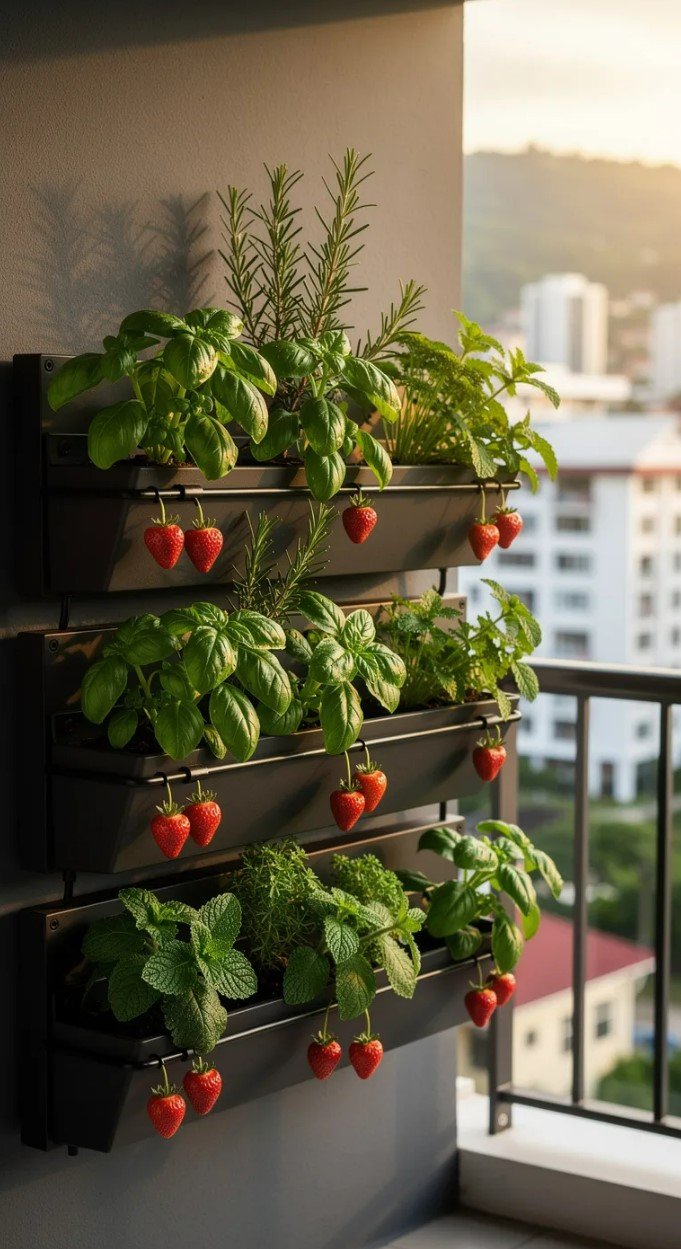
In the modern urban landscape, space is a luxury. For many homeowners and apartment dwellers, the dream of a sprawling backyard garden often meets the reality of a small balcony, a paved patio, or a narrow side yard. However, limited square footage is no longer a barrier to a productive harvest. The rise of vertical gardening systems has transformed how we think about cultivation, allowing gardeners to grow upward rather than outward.
By 2026, the technology behind vertical gardening has matured, offering professional-grade solutions that maximize yield while minimizing the footprint. Whether you are looking to grow fresh herbs, leafy greens, or ornamental flowers, selecting the right “Total Garden Gear” for verticality is essential for success.
The Philosophy of Vertical Cultivation
Vertical gardening is more than just a space-saving hack; it is a strategic approach to plant health. By elevating your garden, you improve air circulation, reduce the risk of ground-based pests and fungal diseases, and make maintenance significantly easier on your back and knees. For those managing limited space, every vertical foot becomes a new opportunity for growth.
Essential Vertical Gardening Systems and Tools
To build a high-performance vertical garden, you must choose a system that aligns with your specific environment and the types of plants you wish to grow. Here are the primary tools in the vertical gardener’s arsenal:
1. Modular Wall Planters
Modular systems are the most versatile option for balconies and exterior walls. These systems consist of individual pockets or containers that can be mounted to a vertical surface.
-
Key Advantage: You can start small and expand your wall as your collection of “Total Garden Gear” grows.
-
Best For: Succulents, herbs, and small flowering plants.
-
Pro Tip: Look for models with built-in drainage channels that allow water to cascade from the top row down to the bottom, ensuring efficiency.
2. Freestanding Vertical Towers
Vertical towers, often called “strawberry towers,” utilize a central pillar with tiered planting ports.
-
Key Advantage: These units provide 360-degree exposure, making them ideal for sunny spots where you can rotate the tower to ensure even growth.
-
Best For: Strawberries, lettuce, and compact leafy greens.
-
Hydroponic Options: Many modern towers are designed for hydroponic or aeroponic use, requiring no soil and further reducing the weight and mess of the system.
3. Trellises and Arbors with Smart Ties
For those growing climbing plants like beans, peas, or cucumbers, a traditional trellis remains an indispensable tool.
-
Heavy-Duty Support: Ensure your trellis is made of weather-resistant materials like powder-coated steel or rot-resistant cedar.
-
Adjustable Ties: Use soft, rubber-coated garden ties to secure heavy vines without damaging the stems.
-
Strategic Placement: Use a trellis to create a “living screen” that provides privacy for your balcony while producing food.
4. Pocket Planters and Fabric Bags
Felt or fabric pocket planters are a lightweight, breathable alternative to plastic or ceramic.
-
Key Advantage: The fabric allows for “air pruning” of the roots, preventing them from becoming root-bound and encouraging a denser, more efficient root system.
-
Best For: Annual flowers and trailing plants like ivy or sweet potato vine.
Managing the Vertical Micro-Climate
Growing vertically changes the environmental dynamics of your garden. In sun-intensive climates like Penang, the higher layers of a vertical system will dry out faster than the lower ones.
-
Integrated Irrigation: For any vertical system over four feet tall, a dedicated drip irrigation kit is highly recommended. This ensures that the root zones of every plant receive consistent moisture without the need for manual reaching.
-
Wind Protection: Elevated plants are more exposed to wind. Secure your vertical structures firmly to walls or railings to prevent them from tipping during seasonal storms.
-
Fertilization: Because vertical systems often use less soil, nutrients are depleted more quickly. Use a high-quality liquid fertilizer applied through your irrigation system for consistent results.
Choosing the Right Plants for Verticality
Not every plant is a candidate for vertical growth. Focus on:
-
Vining Plants: Peas, pole beans, and indeterminate tomatoes.
-
Compact/Determinate Varieties: Dwarf versions of peppers or “bush” varieties of squash.
-
Trailing Plants: To create a beautiful aesthetic, plant trailing varieties in the upper tiers to drape over the lower sections.
Conclusion
Vertical gardening is the ultimate solution for the modern homeowner looking to maximize their “Total Garden Gear” in a compact space. By utilizing the right tools—from modular wall planters to freestanding towers—you turn a blank wall into a thriving ecosystem. As urban spaces continue to shrink, the only way for your garden to go is up.