High-Tech Pest Repellents: Ultrasonic vs. Physical Barriers
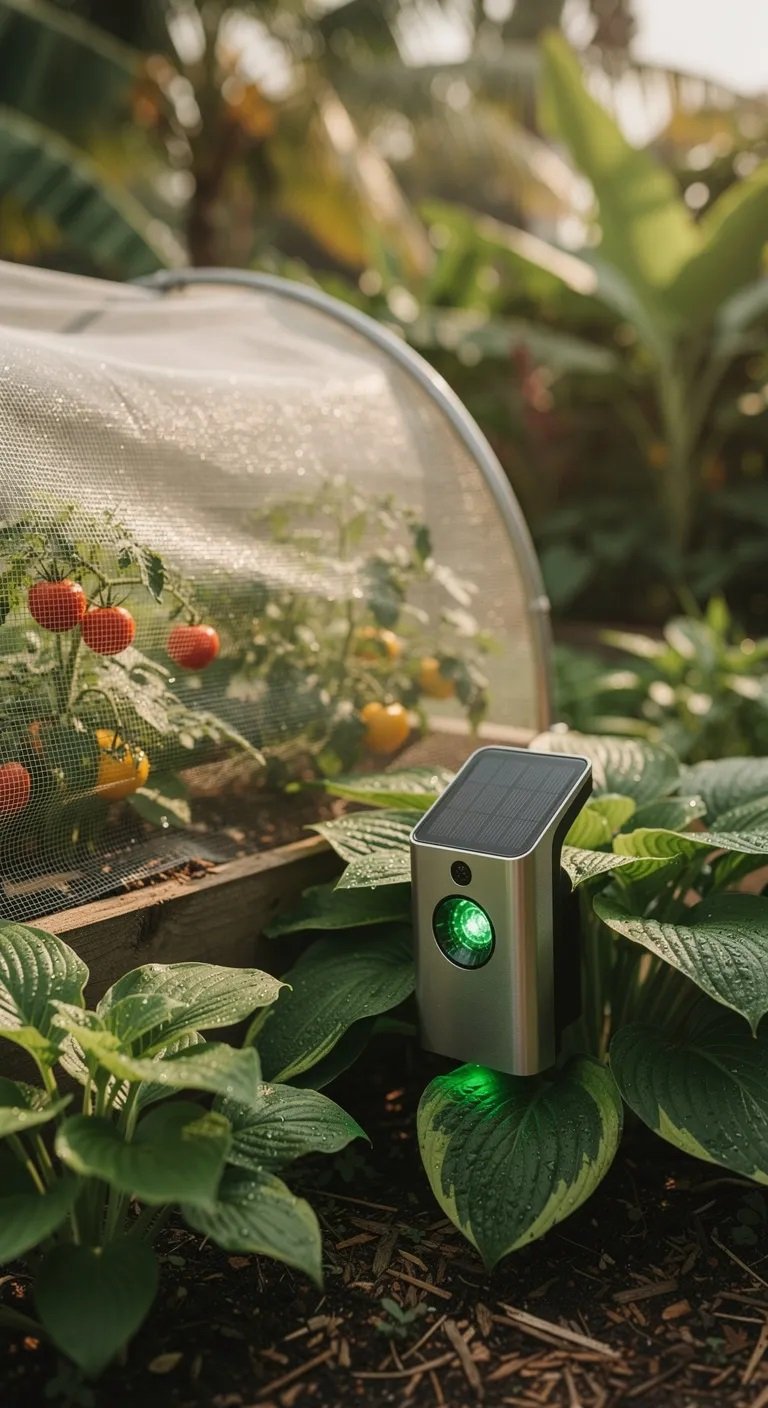
For the modern gardener, the classic battle against pests has entered a technological age. Gone are the days when the only defenses were chemical sprays and simple netting. Today, maintaining a pristine garden—whether it’s a vegetable patch or a balcony oasis requires a strategic approach to total garden gear.
The market is saturated with “high-tech” solutions, promising to safeguard your hard work without the need for harmful chemicals. The two dominant philosophies in this new era are ultrasonic pest repellents and advanced, specialized physical barriers. Choosing the right approach for your landscape depends on understanding the science, efficiency, and limitations of each.
The Silent Sentinel: Understanding Ultrasonic Repellents
Ultrasonic pest repellents are perhaps the most popular “set-and-forget” technology in modern total garden gear. These devices emit high-frequency sound waves, usually above 20,000 Hz, which are inaudible to human ears but distressing to various pests.
How They Work and What They Target
The theory is that these constant, fluctuating frequencies create a hostile “noise landscape” for rodents, insects (like cockroaches and ants), and even some larger mammals like deer. This noise is designed to disrupt their feeding, breeding, and communication, theoretically driving them away from the area.
In 2026, the most effective ultrasonic devices are solar-powered, weather-resistant, and often feature motion sensors. Instead of running continuously, they activate only when a pest is detected, preventing energy waste and mitigating the issue of pests becoming accustomed to the sound.
The Trade-Offs
-
Pros: Non-toxic, humane, maintenance-free once installed, and safe for most domestic pets (though rodents like guinea pigs may be affected).
-
Cons: The science on their long-term effectiveness remains mixed. Sound waves cannot penetrate solid objects like walls or dense hedges, meaning multiple units are needed for complete coverage. Furthermore, some pests can become desensitized to the sound over time.
The Fortified Defense: High-Tech Physical Barriers
Physical barriers are the most traditional form of pest control, but in 2026, the material science behind them has transformed them into high-tech assets within any total garden gear collection.
Copper Mesh and specialized Tape
Slug and snail control has moved beyond simple beer traps. Advanced physical barriers now include flexible copper mesh and specialized copper tape that can be applied to planters or garden beds.
-
The Science: A natural, low-voltage reaction between the copper and the slug’s mucus results in an unpleasant “shock” that deters them from crossing the barrier. This requires no power source and lasts for years.
Insect Netting with Built-In UV Degradation Resistance
For fruit trees and vegetable patches, modern physical barriers utilize micro-mesh netting. This netting is engineered to be fine enough to block microscopic pests while still allowing for 90% light and water penetration.
-
The Tech Upgrade: Unlike the cheap netting of the past, these professional fabrics are UV-stabilized. They resist the harsh, degrading intensity of the Malaysian sun, providing multi-season durability that is far more economical in the long run.
The Trade-Offs
-
Pros: 100% effective (if properly installed), definitive, and requires no power or chemicals.
-
Cons: High initial installation labor, can be aesthetically intrusive (though modern netting is nearly invisible), and can sometimes trap beneficial insects if not managed correctly.
Conclusion: Integrated Pest Management
So, which technology reigns supreme in 2026? The answer is neither—or rather, both.
A professional approach to garden maintenance, the philosophy defining total garden gear, advocates for Integrated Pest Management (IPM). Instead of relying on a single “silver bullet,” gardeners must deploy multiple layers of defense.
Ultrasonic devices can act as a broad-spectrum deterrent for a wide perimeter, reducing the likelihood of infestation. However, for your most prized plants—your high-value tomatoes or fragile seedlings—a robust, high-quality physical barrier like UV-stabilized netting is essential to guarantee protection. By understanding the tools available, you can create a resilient, flourishing garden that defies the pests.