The Best Composting Bins for Small Urban Spaces
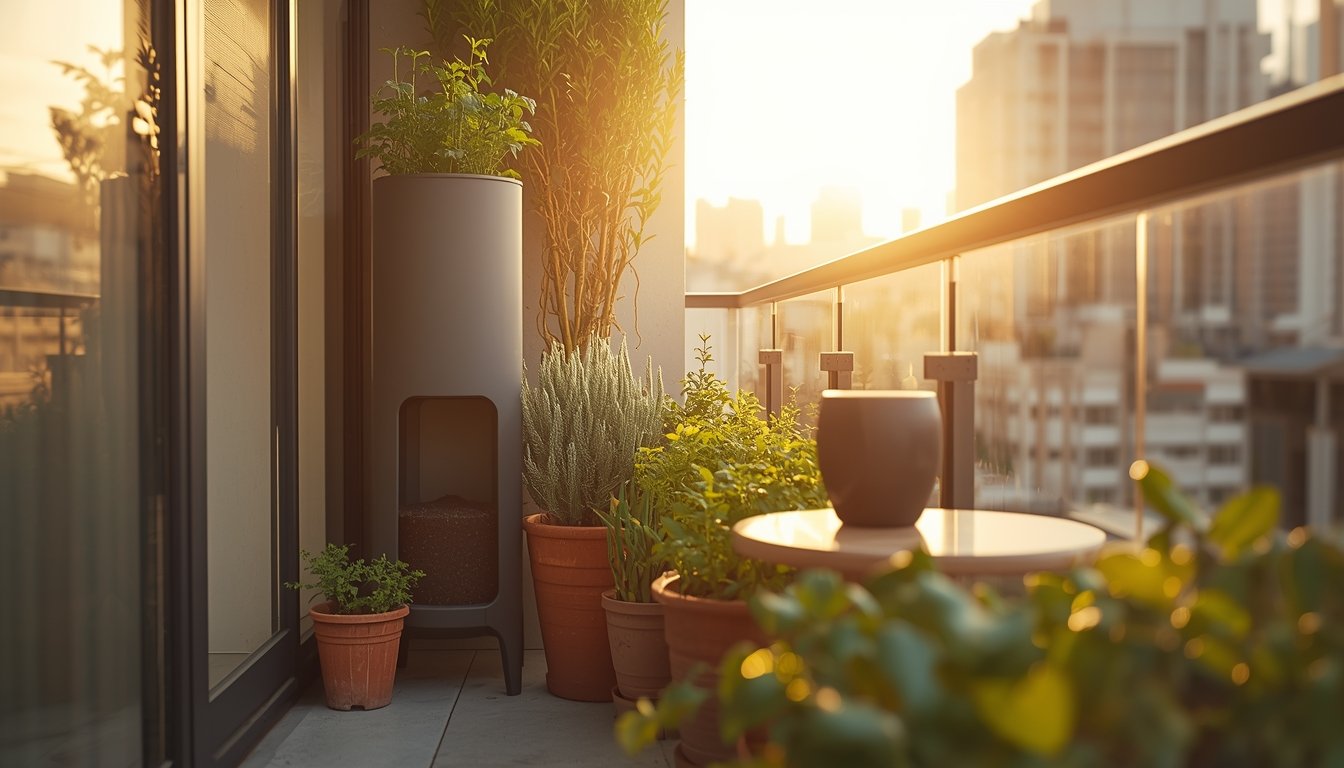
For many urban dwellers, the desire to cultivate a sustainable lifestyle often hits a physical ceiling—specifically, the square footage of a balcony, patio, or small kitchen. However, by 2026, the evolution of “Total Garden Gear” has made it possible to transform food scraps into “black gold” without the need for a sprawling backyard. Composting in small urban spaces is no longer a logistical nightmare of odors and pests; it is a streamlined, efficient process that fits seamlessly into a modern lifestyle.
Choosing the right composting system is the first step toward reducing your carbon footprint while providing nutrient-rich soil for your indoor plants or balcony containers. This guide explores the most effective, space-saving composting solutions for urban environments.
The Urban Composting Challenge
In high-density areas, the primary concerns for composting are space, speed, and odor management. Unlike traditional open-air piles, urban bins must be self-contained and aesthetically pleasing. The goal is to facilitate aerobic decomposition (with oxygen) or specialized fermentation in a way that remains invisible to neighbors and guests.
1. Countertop Bokashi Bins: The Fermentation Specialist
Bokashi is a Japanese method that uses a specialized bran inoculated with beneficial microbes to ferment organic waste.
-
Space Efficiency: These bins are small enough to sit under a kitchen sink or on a countertop.
-
Odor Control: The system is airtight, meaning no smells escape into your living space.
-
Versatility: Unlike traditional composting, Bokashi can handle meat and dairy scraps.
-
Process: Once the bin is full and fermented, the “pre-compost” can be buried in a small balcony planter or added to a community garden.
2. Worm Composters (Vermicomposting): The Silent Workers
Vermicomposting utilizes specialized worms, typically Red Wigglers, to break down organic matter with incredible speed.
-
Vertical Design: Many modern worm bins, like the Worm Tower, utilize a tiered system that takes up less than two square feet of floor space.
-
Nutrient Density: This method produces worm castings, which are arguably the most potent natural fertilizer available for your “Total Garden Gear” collection.
-
Indoor Friendly: Because worms are highly efficient, a healthy bin produces an earthy, forest-floor scent that is perfectly acceptable for indoor use.
3. Tumbler Bins: For Small Balconies and Patios
If you have a small outdoor area, a compact tumbling composter is a professional-grade choice.
-
Ease of Use: Tumblers eliminate the need for manual pitchfork turning. A quick rotation every few days keeps the mixture aerated.
-
Pest Prevention: The elevated, sealed design prevents rodents and insects from accessing your food waste.
-
Speed: Due to the heat retention of the plastic casing and frequent aeration, tumblers can produce finished compost in as little as 4–8 weeks.
Essential Features for Urban Bins
When selecting your urban composting gear, prioritize these three specifications:
-
Airtight Seals or Carbon Filters: These are non-negotiable for indoor bins to keep fruit flies and odors at bay.
-
Drainage and Leatate Collection: Look for bins with a “spigot” to collect “compost tea,” a liquid fertilizer you can use immediately on your houseplants.
-
Durable, Recycled Materials: High-quality UV-stabilized plastics ensure your bin won’t become brittle if left on a sun-drenched Penang balcony.
Tactical Tips for Urban Success
-
Balance Your “Greens” and “Browns”: To prevent moisture buildup and smell, always balance nitrogen-rich kitchen scraps (greens) with carbon-rich shredded paper or cardboard (browns).
-
Chop Small: The smaller your scraps, the faster the microbes and worms can process them.
-
Monitor Moisture: Your compost should feel like a wrung-out sponge—damp but not dripping.
Conclusion
Urban composting is a powerful way to close the loop on food waste and revitalize your urban garden. Whether you opt for the fermentation power of a Bokashi bin or the biological efficiency of a worm farm, the right gear makes sustainability an effortless part of your daily routine. By integrating these compact bins into your “Total Garden Gear” setup, you prove that you don’t need an acre of land to grow something beautiful.