Wheelbarrow vs. Garden Trolley: Which Is Better for Your Back?
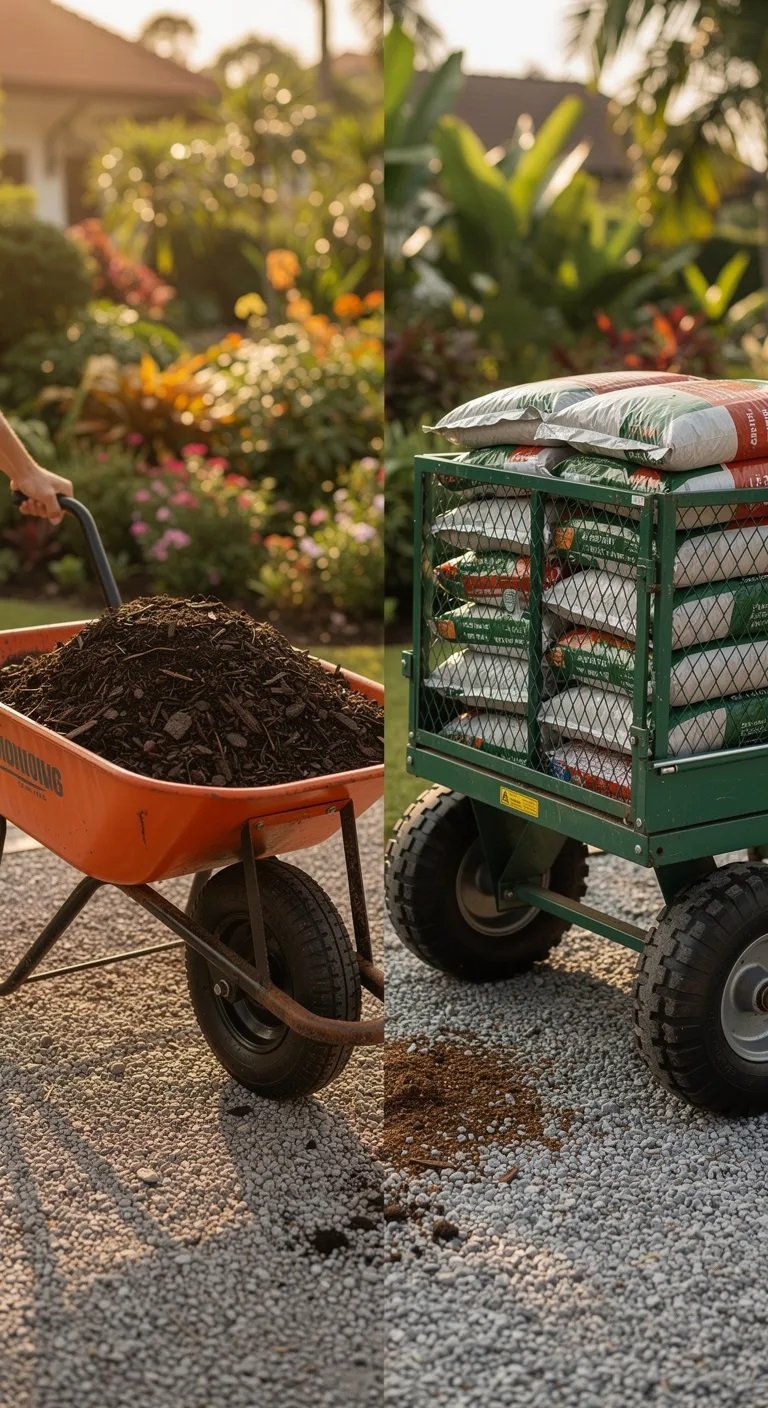
For the dedicated gardener, the joy of cultivation is often accompanied by the physical demand of moving heavy loads. Whether you are transporting bags of organic soil, hauling mulch, or relocating large planters, the equipment you choose for transit has a direct impact on your spinal health and long-term mobility. In the pursuit of maintaining a professional-grade landscape, your “Total Garden Gear” must include a transport solution that prioritizes ergonomics without sacrificing utility.
The debate between the traditional wheelbarrow and the modern garden trolley (or utility wagon) is more than a matter of preference—it is a matter of biomechanics. This guide explores the physical toll of each and helps you decide which is truly better for your back.
The Traditional Wheelbarrow: High Maneuverability, High Demand
The wheelbarrow has been a staple of “Total Garden Gear” for centuries due to its simple, effective design. Featuring a single wheel at the front and two handles at the rear, it is the ultimate tool for navigating narrow garden paths or tight corners.
The Biomechanical Challenge
The primary issue with a wheelbarrow is that the gardener serves as a fundamental part of the machine’s chassis. To move a load, you must lift a portion of the weight and balance it simultaneously.
-
Lifting Strain: As you lift the handles, significant pressure is placed on the lumbar spine. If the load is off-center, your core and back muscles must work overtime to prevent the barrow from tipping.
-
Wrist and Shoulder Tension: Balancing a heavy load requires constant micro-adjustments in the upper body, which can lead to fatigue in the rotator cuffs and wrists.
When to Choose a Wheelbarrow
Despite the strain, a wheelbarrow is superior for dumping materials like mulch or soil directly into a garden bed. If you have strong core stability and your garden requires precision navigation through dense foliage, a wheelbarrow remains a functional asset.
The Garden Trolley: Stability and Distribution
In recent years, the four-wheeled garden trolley has gained popularity as a cornerstone of ergonomic garden gear. By utilizing four wheels, the trolley becomes a self-supporting unit that removes the burden of balance from the gardener.
The Ergonomic Advantage
The trolley is designed to be pulled rather than lifted. This fundamental shift in movement patterns offers several benefits for your back:
-
Zero Vertical Lift: Because the trolley supports 100% of the weight on its own axles, you are only responsible for the horizontal force required to pull it. This eliminates the compression of the lower vertebrae associated with lifting wheelbarrow handles.
-
Lower Center of Gravity: Most trolleys sit lower to the ground than wheelbarrows, making them easier to load and less likely to tip over on uneven terrain—a common occurrence in the varied landscapes.
-
Pulling vs. Pushing: Pulling a handle allows for a more natural walking gait, which reduces the eccentric load on the back muscles compared to the “humped” posture often seen when pushing a heavy wheelbarrow.
When to Choose a Trolley
If you suffer from chronic lower back pain or frequently move heavy, stable loads like water barrels, bags of stones, or stacked firewood, the trolley is the clear winner for physical preservation.
Comparison of Back-Safety Features
| Feature | Single-Wheel Wheelbarrow | Four-Wheeled Garden Trolley |
| Weight Distribution | Shared between wheel and user | Entirely supported by the tool |
| Balance Requirement | High (User must balance load) | None (Self-balancing) |
| Back Strain Level | Moderate to High | Low |
| Ease of Loading | Higher lift required | Lower to the ground |
| Best Terrain | Narrow paths, soft soil | Flat paths, open spaces |
Tactical Tips for Back-Safe Hauling
Regardless of which gear you choose for your “Total Garden Gear” collection, follow these safety protocols to protect your spine:
-
Keep the Load Centered: Whether in a barrow or a trolley, placing the heaviest items over the wheels reduces the effort needed to move the unit.
-
Use Your Legs: When lifting wheelbarrow handles, always squat and drive upward with your glutes and quads. Never bend at the waist.
-
Opt for Pneumatic Tires: Air-filled tires act as shock absorbers. This is particularly important on the hard-packed or uneven ground found in Penang, as it reduces the jarring vibrations felt through the handles.
Conclusion
When it comes to the long-term health of your back, the garden trolley is the superior choice for most routine hauling tasks. Its self-supporting design and ease of movement significantly reduce the risk of acute spinal injury. However, for those with the physical strength to manage it, the wheelbarrow offers unparalleled agility. For a truly professional “Total Garden Gear” setup, owning both allows you to choose the right tool for the task, ensuring you can continue gardening comfortably for years to come.