Digital PH Testers vs. Manual Kits: Which Is More Accurate?
For the serious gardener, understanding the chemical composition of your soil is just as vital as providing water and sunlight. Soil pH—the measure of acidity or alkalinity—determines how effectively your plants can up-take nutrients. If the pH is off-balance, even the most expensive fertilizers will remain “locked” in the soil, inaccessible to your plants’ root systems.
To maintain a professional-grade landscape, your “Total Garden Gear” should include a reliable method for testing these levels. However, a common debate among enthusiasts is whether to invest in a high-tech digital pH tester or stick to the traditional manual chemical kits. This guide explores the accuracy, utility, and practical application of both methods to help you optimize your garden’s health.
The Mechanics of Soil Testing
Before choosing a tool, it is important to understand what you are measuring. Most vegetables and ornamental plants thrive in a slightly acidic to neutral range (pH 6.0 to 7.0).
Manual Soil Test Kits
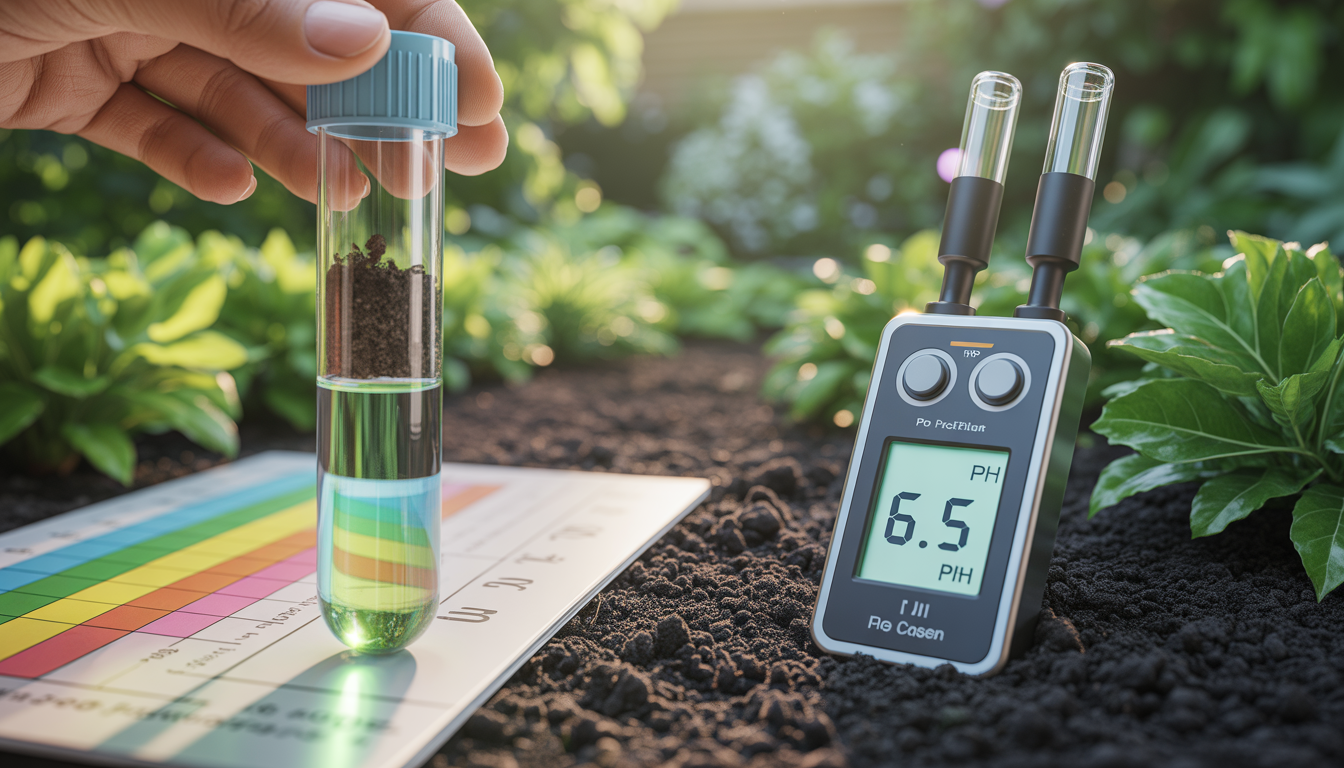
Manual kits typically involve taking a small soil sample, mixing it with a provided chemical solution or powder in a test tube, and waiting for a color change. You then compare the color of the liquid to a printed chart to determine the pH level.
-
The Accuracy Factor: Manual kits are generally reliable for broad assessments. However, they are subject to human error, specifically “eye-balling” the color match against a chart, which can be difficult under different lighting conditions.
-
Best For: Occasional gardeners or those who only need to know if their soil is “roughly” in the right zone.
Digital pH Testers
Digital testers utilize a metal probe that is inserted directly into moist soil or a soil-water slurry. A sensor at the tip measures the electrical potential of the soil and provides a digital readout on an LCD screen.
-
The Accuracy Factor: High-quality digital testers provide much higher precision, often down to 0.1 pH units. This level of detail is essential for sensitive crops or when trying to adjust soil pH with specific amendments like sulfur or lime.
-
Best For: Professional landscapers, hydroponic growers, or enthusiasts managing a diverse “Total Garden Gear” collection.
Precision vs. Convenience
When working in the varied terrain of regions like Jelutong, Penang, where soil composition can shift from sandy to heavy clay, the choice of tester can impact your workflow.
| Feature | Manual Chemical Kits | Digital pH Testers |
| Precision | Low to Moderate | High (0.1 resolution) |
| Speed | 5–10 minutes per test | Near-instant results |
| Ease of Use | Requires mixing chemicals | Plug-and-play probe |
| Ongoing Cost | Needs refill chemicals | Requires calibration fluid |
| Durability | Disposable components | Long-lasting if maintained |
The Importance of Calibration and Care
While digital testers are objectively more accurate, their precision depends entirely on maintenance. To ensure your digital “Total Garden Gear” remains accurate:
-
Calibration is Key: Digital meters must be calibrated regularly using “buffer solutions” with a known pH (usually 4.0 and 7.0).
-
Probe Maintenance: Never store a digital probe in distilled water, as this can damage the sensor. Always wipe the probe clean with a soft cloth after use to prevent corrosion.
-
Moisture Matters: Neither tool works well in bone-dry soil. For the most accurate reading, ensure the soil is moist (but not saturated) before testing.
Tactical Tips for Soil Success
-
Multiple Samples: Don’t rely on a single test point. Take samples from several areas of your garden bed and average the results to get a true picture of the soil health.
-
Clean Your Tools: Use distilled water to rinse your test tubes or probes between samples to avoid cross-contamination.
-
Record Your Data: Keep a garden log of your pH levels over time. This allows you to see how your soil reacts to different fertilizers and seasonal changes.
Conclusion
If you are a casual gardener looking for a quick checkup, a manual kit is a cost-effective entry point. However, for the homeowner committed to the “Total Garden Gear” philosophy of professional maintenance, a digital pH tester is the superior investment. Its ability to provide instant, high-precision data allows for more nuanced soil management, leading to healthier plants and more impressive yields.