Soil Moisture Meters: Do You Really Need One to Prevent Overwatering?
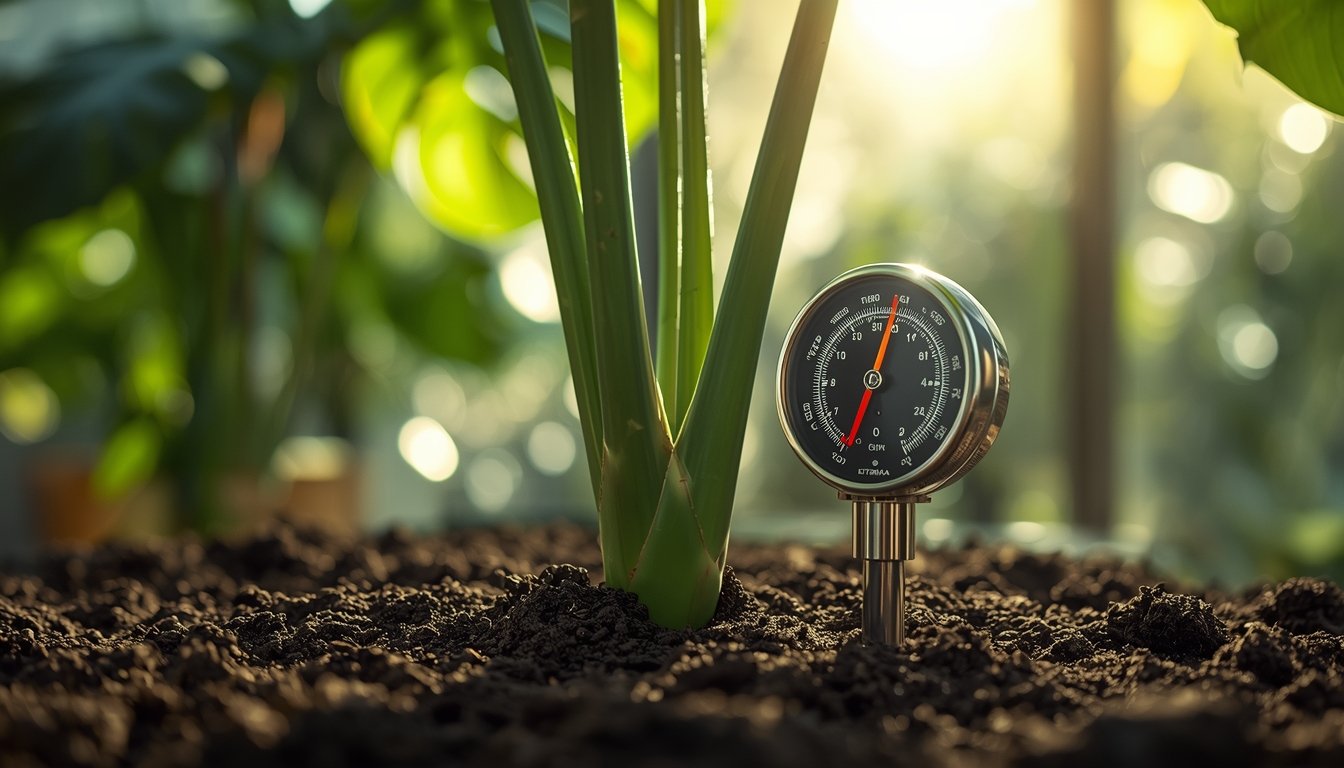
In the world of professional landscaping and home gardening, overwatering remains the leading cause of plant mortality. While underwatering is often easy to spot and rectify, overwatering is a “silent killer” that begins at the roots, often manifesting only after significant damage has occurred. To maintain a professional-grade garden, especially for those managing the “Total Garden Gear” brand, understanding the precise hydration needs of your soil is paramount.
The question for many modern gardeners is whether a dedicated soil moisture meter is a mechanical necessity or a luxury gadget. This guide examines the utility of moisture meters and how they fit into a comprehensive gardening strategy.
The Science of Overwatering and Root Health
Plants do not just “drink” water; their roots also require oxygen. Overwatering saturates the air pockets in the soil, effectively “suffocating” the root system. This leads to root rot, a condition where the root tissue decomposes, preventing the plant from absorbing any nutrients—ironically leading to symptoms that look like dehydration, such as yellowing or drooping leaves.
A soil moisture meter provides a data-driven window into the rhizosphere (the soil area around the roots), removing the guesswork that often leads to excessive hydration.
How Soil Moisture Meters Work
Most consumer-grade moisture meters used in “Total Garden Gear” collections operate using one of two simple physical principles:
-
Analog Conductivity Meters: These are the most common and affordable. They measure the electrical current passing through the soil. Because water conducts electricity, a higher moisture level results in a higher reading on the scale. These are simple to use and require no batteries.
-
Digital Tensiometers: These measure the “tension” or “pull” that roots must exert to extract water from the soil particles. While more expensive, they provide a much more accurate representation of how much water is actually available to the plant.
Do You Really Need One?
While the traditional “finger test” (sticking your finger two inches into the soil) is a classic method, it has significant limitations that a meter addresses:
1. Reaching Deeper Root Zones
Many vegetable plants and shrubs have root systems that extend 6 to 12 inches deep. A finger test only tells you what is happening at the surface. A moisture meter with a long probe allows you to check the moisture levels exactly where the roots are located.
2. Monitoring Diverse Soil Types
Soil consistency varies wildly, especially in regions like Jelutong, Penang, where heavy clay or sandy loam may be present. Clay soil can appear dry on the surface while remaining dangerously saturated beneath. A meter provides a consistent reading regardless of soil texture.
3. Precision for Potted Plants
Potted plants, particularly those in high-evaporation environments like balconies or sun-drenched patios, are highly susceptible to moisture fluctuations. A meter ensures you aren’t adding water to a pot that is already “wet” at the bottom due to poor drainage.
Integrating Meters into Your “Total Garden Gear”
For the best results, a moisture meter should be used as a diagnostic tool rather than a daily requirement.
-
Check Before You Pour: Instead of watering on a strict calendar schedule, use the meter to determine if watering is actually necessary.
-
Calibration: Periodically test your meter in a cup of water or known dry soil to ensure the needle or digital display is calibrated correctly.
-
Wipe After Use: To prevent corrosion and ensure accurate future readings, always wipe the probe clean with a dry cloth after every use.
The Verdict
Is a soil moisture meter a necessity? For the novice gardener, it is perhaps the most valuable educational tool available, teaching the user to “feel” the hydration levels of their soil over time. For the professional managing a diverse landscape, it is a precision instrument that prevents the costly mistake of overwatering. In the context of building a resilient garden, a moisture meter is a small investment that pays significant dividends in plant health and water conservation.